

Soil is the foundation of our agriculture, and maintaining its health is crucial for sustainable farming. In the quest for healthier crops and gardens, soil conditioners have emerged as a vital tool. But what exactly is a soil conditioner, and how does it contribute to soil improvement? This article delves into the world of soil conditioners, exploring their types, benefits, and role in enhancing soil health.
What is Soil Conditioner?
A soil conditioner is a substance added to soil to improve its properties. These properties include water retention, absorption, water infiltration, drainage, aeration, and structure. The ultimate goal is to provide a better environment for plant roots. Soil conditioners can come in various forms, ranging from organic soil conditioners, like compost and biochar, to synthetic agents.
The Importance of Soil Amendments
Soil amendments are materials that are mixed into soil to enhance its physical properties. Good soil amendments can help improve soil structure, nutrient availability, and the soil’s nutrient and water holding capacity. Soil amendments are especially beneficial in areas with poor soil quality, like clay soils, which can be heavy and hard for roots to penetrate.
Organic Matter and Soil Health
Organic matter plays a crucial role in soil health. The decomposed material from plants and animals enriches the soil. Organic soil conditioners, such as compost, peat, or manure, are excellent sources of organic matter. They help in improving soil structure, increasing water retention, and adding essential nutrients back into the soil.
Soil Conditioning for Different Soil Types
Clay Soils
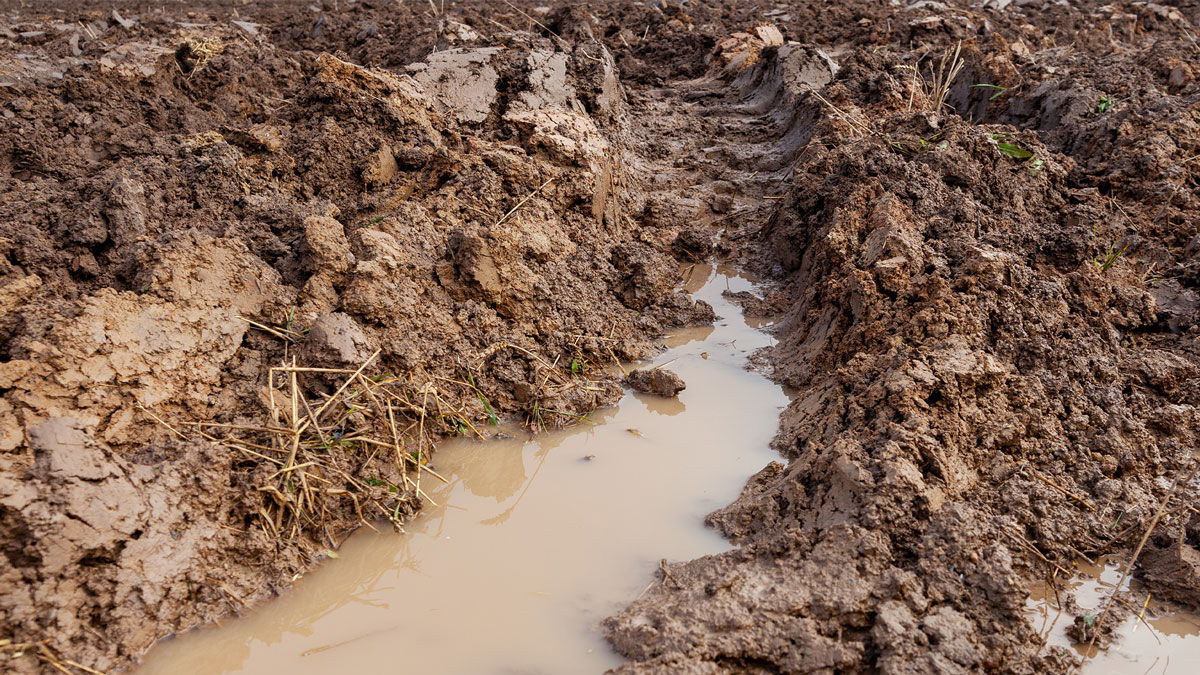
Clay soils are characterized by their dense and compact nature, which can pose challenges for plant growth. One of the main issues with clay soils is their ability to retain a significant amount of water. While water retention is generally beneficial for plants, excessive water retention in clay soils can lead to poor air circulation for plant roots.
When clay soils become saturated with water, the spaces between the soil particles become filled, leaving little room for air to circulate. This lack of oxygen can be detrimental to plant roots, as they require oxygen for respiration and nutrient uptake. Without proper aeration, plant roots may suffocate and become more susceptible to diseases and root rot.
To address this issue, soil conditioners can be used to improve the structure and composition of clay soils. Soil conditioners are substances that are added to the soil to enhance its physical properties and fertility. In the case of clay soils, soil conditioners can help by breaking up the compacted clay particles, thus improving aeration and drainage.
One common type of soil conditioner used for clay soils is organic matter, such as biochar, compost, or manure. When incorporated into the soil, organic matter helps to create pore spaces, allowing for better air circulation and water drainage. Additionally, organic matter acts as a sponge, absorbing excess water and releasing it slowly to prevent water logging.
Overall, the use of soil conditioners and proper soil management techniques can greatly improve the aeration and drainage of clay soils. By breaking up the dense clay particles and creating a more favorable environment for plant roots, these measures can enhance plant growth and overall soil health.
Sandy Soils
Sandy soils are characterized by their large particles, which create a loose and porous texture. This texture allows water to easily drain through the soil, resulting in poor water retention. As a result, sandy soils often suffer from drought-like conditions, as water quickly moves through the soil profile and is not effectively stored for plant use.
To address this issue, organic soil conditioners can be used to improve water retention in sandy soils. These soil conditioners are typically derived from organic materials such as biochar, compost, peat moss, or manure. When incorporated into the soil, these amendments help to improve the soil structure by increasing its ability to hold water.
One way organic soil conditioners enhance water retention is by increasing the soil’s capacity to hold onto moisture. This allows plants to access water for a longer period, reducing the frequency of irrigation needed.
Additionally, organic soil conditioners can also improve the soil’s ability to hold onto nutrients. Sandy soils are notorious for their low nutrient-holding capacity, as nutrients can easily leach out of the soil due to excessive water movement. However, when organic amendments are added, they help to bind nutrients to the soil particles, preventing them from being washed away. This ensures that plants have a steady supply of essential nutrients, promoting healthy growth and development.
Furthermore, organic soil conditioners can also enhance the overall soil structure of sandy soils. By adding organic matter, the soil becomes more aggregated, creating larger pore spaces. These larger pores allow for better air circulation within the soil, promoting root respiration and overall plant health. Additionally, the improved soil structure also aids in root penetration, allowing plants to establish a stronger root system and access water and nutrients more effectively.
Water Retention, Soil Texture, and Soil Nutrients
Water retention is a critical aspect of soil health. Soil conditioners can improve the soil’s ability to retain water, which is especially important during dry periods. Soil texture plays a significant role in water retention. Conditioning the soil can help modify the texture to better suit plant growth.
Another benefits of soil conditioners is their ability to add vital nutrients to the soil. These nutrients are essential for plant growth and help in maintaining healthy soil. Organic conditioners are especially beneficial as they release nutrients slowly over time and provide a long-term benefit to the soil.

Soil Testing Before Conditioning
Before applying a soil conditioner, it’s crucial to conduct soil testing. Soil testing can help identify the current condition of your soil, including its pH level, nutrient content, and texture. This information is essential to determine the type of conditioner that will be most beneficial for your soil.
Conclusion
So, what is soil conditioner? It is a vital component in maintaining soil health and fertility. Whether organic or synthetic, they provide numerous benefits such as improved water retention, nutrient enhancement, and better soil structure. Understanding the type of soil you have and its specific needs is essential in choosing the right soil conditioner. By investing in soil conditioning, we contribute to a more sustainable and resilient agricultural system.
Remember, healthy soil is the first step towards a healthier, greener planet. Redefining resilience and sustainability starts with taking care of the ground beneath our feet.