

As the growing season approaches, the critical importance of effective soil conditioning becomes increasingly apparent for anyone aiming for success in their agricultural endeavors. Whether you’re managing a small garden or overseeing extensive agricultural operations, understanding and optimizing the health of your soil is a key determinant of plant health and productivity.
This article will delve deeper into the scientific aspects of soil conditioning including how biochar acts as the perfect soil conditioner.
Understanding Soil Composition and Its Impact on Conditioning
Soil is not just dirt; it’s a living, breathing ecosystem in its own right, comprising a complex mix of minerals, organic components, air, and water. The balance and health of these components determine the overall fertility and structure of your soil.
Beginning with a thorough soil test is fundamental to any conditioning strategy as it provides detailed insights into the soil’s pH, nutrient profile, and textural class—whether it’s predominantly clay, loam, silt, or sand.


Key Nutrients and Soil Fertility
Plants require a variety of nutrients, each playing a unique role in plant growth and development:
- Nitrogen (N): Vital for vegetative growth and the synthesis of proteins.
- Phosphorus (P): Essential for energy transfer and photosynthesis.
- Potassium (K): Important for overall plant health, including water regulation and disease resistance.
Microelements such as calcium, magnesium, and sulfur, though needed in smaller quantities, are crucial for plant health. Soil amendments should be chosen based on their ability to replenish these nutrients efficiently and sustainably, avoiding the pitfalls of over-fertilization, which can lead to nutrient runoff and environmental degradation.
Advanced Techniques in Soil Conditioning
What Is Soil Conditioner?
A soil conditioner is a substance added to soil to improve its properties. These properties include water retention, absorption, water infiltration, drainage, aeration, and structure. The ultimate goal is to provide a better environment for plant roots. Soil conditioners can come in various forms, ranging from organic soil conditioners, like compost and biochar, to synthetic agents.
Enhancing soil structure is critical as it affects water retention, aeration, and root penetration—factors that directly influence plant growth.

Biochar Incorporation
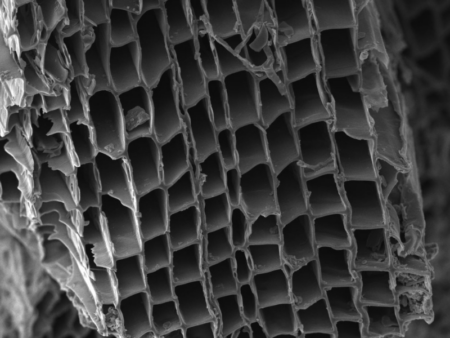
Integrating biochar into the soil is an innovative method that is used to enhance soil quality significantly across various dimensions. Biochar, essentially a form of charcoal produced through the pyrolysis of biomass in an oxygen-limited environment, offers a host of benefits that make it a particularly valuable amendment in the context of soil conditioning.
The Multifaceted Benefits of Biochar as Your Primary Soil Conditioner
- Enhanced Water Retention: Biochar’s porous nature allows it to retain water much more effectively than many other soil amendments. This characteristic is particularly beneficial in arid climates or in sandy soils, where water retention is often problematic. By improving soil’s water-holding capacity, biochar can help ensure that plants have a more consistent and reliable water supply, reducing stress and improving growth rates.
- Increased Nutrient Availability: The surface of biochar has unique chemical properties that can increase nutrient retention in the soil. It acts somewhat like a reservoir, absorbing nutrients from fertilizers and compost and then slowly releasing them as plants require. This efficiency in nutrient utilization not only supports healthier plant growth but also reduces the leaching of nutrients into groundwater, thus preventing pollution.
- Support for Microbial Activity: Biochar can significantly enhance microbial activity within the soil. Its structure creates a conducive environment for beneficial soil microorganisms to thrive. These microbes play critical roles in nutrient cycling, organic matter decomposition, and the suppression of soil-borne diseases. By boosting microbial activity, biochar contributes to a more dynamic and healthy soil ecosystem.
- Improvement of Soil Physical Structure: When added to soil, biochar can improve its physical structure, making it less prone to compaction. This results in better aeration and easier root penetration. For clay soils that are typically dense and poorly aerated, biochar can be a game-changer, enhancing porosity and airflow. Conversely, in sandy soils, which are highly porous but poor at retaining water and nutrients, biochar helps by improving their capacity to hold onto these vital resources.
- Reduction of Soil Acidity: Biochar has alkaline properties, which can help balance soil pH, especially in acidic soils. This process is similar to the use of Agricultural lime (also called aglime) in soils. By moderating pH levels, biochar makes soils more hospitable to a wider variety of plants and improves nutrient availability, which is often constrained by extreme pH values.
- Carbon Sequestration: From an environmental perspective, the use of biochar is a notable strategy for carbon sequestration. The carbon in biochar is stable and can remain in the soil for hundreds to thousands of years, effectively locking away carbon dioxide and contributing to climate change mitigation efforts.
Addressing Soil pH: Balancing Acidity and Alkalinity
The availability of many nutrients is heavily influenced by soil pH. Most plants thrive in a slightly acidic to neutral pH range (6.0 to 6.8).
Liming Acidic Soils
For soils that are too acidic, applying lime can increase the pH, making it more favorable for plant growth. The correct type and amount of lime depend on the soil’s initial pH and its buffer capacity, which should be determined through soil testing.
Sulfur Additions for Alkaline Soils
Conversely, soils that are naturally alkaline can benefit from the addition of elemental sulfur, which microbes convert to sulfuric acid, thereby lowering the soil pH.
The Role of Organic Matter in Soil Conditioning
Organic matter is pivotal in maintaining soil vitality and function:
- Enhances soil structure: Organic matter helps create stable soil aggregates, which improve porosity and water infiltration.
- Increases water retention: Particularly crucial in arid regions or during dry spells.
- Acts as a nutrient reservoir: Delivers a steady supply of nutrients as it decomposes, facilitating plant uptake.
Composting and Vermicomposting
- Composting: This involves the aerobic decomposition of organic material to produce humus. A well-managed compost pile that includes a balance of carbon-rich and nitrogen-rich materials will not only enrich the soil but also help suppress diseases.
- Vermicomposting: Earthworms expedite the breakdown of organic waste, producing vermicast—a highly nutritious material that enhances soil aeration and structure.
Long-term Soil Health Strategies
Maintaining soil health over the long term requires a proactive and informed approach:
- Crop Rotation: Varying the types of crops planted in specific areas can help maintain soil balance, reduce the buildup of pests and diseases, and improve soil structure and fertility.
- Regular Soil Testing: Monitoring changes in soil composition through periodic testing allows for timely adjustments in soil management practices.
The growing season brings with it the opportunity to apply scientifically backed soil conditioning strategies that enhance both immediate and long-term agricultural productivity. By understanding the detailed dynamics of soil composition, pH balance, nutrient management, and organic matter incorporation, gardeners and farmers can effectively promote robust plant growth and sustainable practices. The result is a healthier ecosystem and a more bountiful harvest.
How Verenovo Promotes Soil Health
Our mission is to empower farmers, revitalize soil health, and contribute to a healthier and more resilient food and energy supply chain. We rely on our local agricultural ecosystem to produce world-class soil amendment products at an affordable price.To learn more about how biochar can be of benefit as your primary soil conditioner, reach out to us today. You can also pre-order our flagship biochar product here.